SERVICES
Communication Coaching & Relationship Building
This coaching is aimed at professionals who are achieving a high degree of success in their current position and are looking to improve upon that success. In other words, to be the best that they can be. Executive coaching is also valuable for the individual who has achieved success in the past but is now asked to deliver a much greater or differing work product, thus requiring a higher level of performance.
The Importance of Individual & Leadership Team Coaching
To assist leaders in coping with higher levels of stress, gaps in training and development, and movement between organizations, leadership coaching can bridge the gaps. We offer an individual, customized approach whereby a collaborative relationship is established between a leader and a coach. The goal is to bring about sustained behavioral change, improve performance, and transform the quality of the executive’s working and personal life.

Listed are some of the obstacles facing leaders today.
Click below for more details:
Intense Market Competition
Intense market competition pushes businesses and individuals to achieve unprecedented productivity levels, demanding more output in less time with fewer resources. The stress is high. Productivity-enhancing tools are available, but it may take more than these tools. New ways of thinking are required. The individual must be hitting on all cylinders to keep up, not to mention move ahead; business today requires immediate achievement. Relying on traditional methodologies, approaches, and strategies will, most likely, not generate results to the desired level.
Less Training and Development Provided
Movement of Workers Between Organizations
“Thank you for being a great coach.”

“Patti makes me feel comfortable but pushes me enough to be serious about getting the right results. I like the fact that she speaks from personal experience. She has been in the trenches and knows what it takes to succeed. Again, thank you for being a great coach. I’m a better person because of her.”
Ralph Guerra, VP of Wescom Insurance Agency
Our Process and Philosophies
The process of coaching, whether the individual is at their peak or reaching higher, is one whereby the coach and professional determine what developmental levers are available to drive even greater performance. Ask yourself these questions:
- What behaviors and thought processes aren’t conducive to producing the desired outcomes, and which ones are?
- How does the individual become aware of these opportunities and stay aware, allowing for the best and desired outcome?
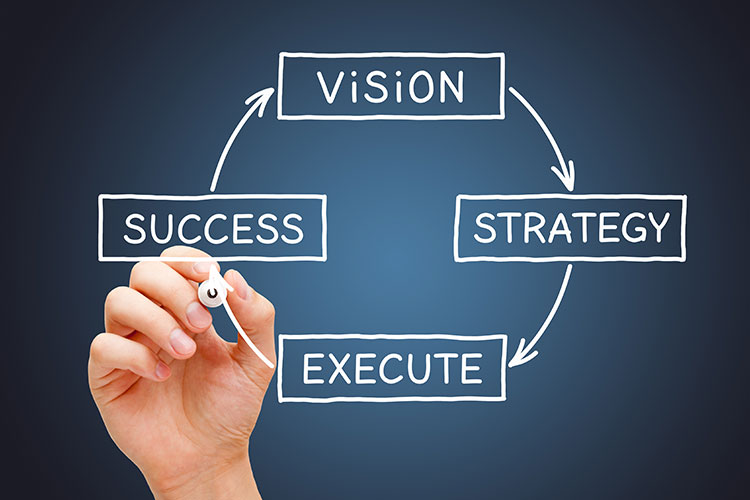
Learn how we approach coaching an individual or team.
Click below for details:
Dedicated One-On-One Sessions
Coaching Provides an Unbiased Sounding Board, Advisor and Coach
Through the synergy of the client’s knowledge base and the coach’s perspective and tools, we assist individuals in identifying opportunities and pathways to success. As designed, coaching is developmental so that the awareness gained can be utilized far beyond the coaching relationship. In this case, the analogy to a sports coach applies to the successful business leader.
Helping Individuals to Achieve Balance
Despite talent, dedication, and honed skills, individuals may not be able to fulfill their work requirements without falling out of balance in their family, social, physical, and community spheres. Burnout, anxiety, ill health, discontent, and more may be the outcome. This, in turn, systemically impacts results. Recognizing the integrated individual, coaching works to restore balance for a stronger and more sustained performance.
Coaching is Conducted Confidentially
Coaching is 2 times a month for one hour. There is an initial 2-4 hour coaching intake session at the start of the coaching relationship. At this session, the coach will begin the process of understanding the client’s frame of reference, their desired outcomes, and the beliefs and behaviors that support or might be in the way of their success. The coaching relationship is also established. This means there is trust, understanding, and mutual commitment to the process. The client must be open to possibilities for any chance of a performance shift—this is essential.
Recognize that Coaching is an Investment
Individuals derive results greater and far sooner than if support had not been present, and the investment is both short- and long-term. The client can apply the new awareness across a variety of situations beyond coaching. In addition, if leading people, the client will transfer their coaching and leadership development to their team so they can also develop from the application of the coaching principles. The organization as a whole gains from the energy and leadership modeled by the coached individual.
Programs and Workshops
We offer a wide range of workshops and relationship-building programs that address your individual, team, or organizational needs. If you are interested in exploring the workshops below, understanding the full breadth of developmental training offered, or would like to discuss your needs and a personalized approach, please contact us to start the dialogue.

Listed are the individual programs and workshops
Click below for details:
Influence Strategies Workshop: How to Influence to Drive Results
- How we influence others
- The nine influencing strategies
- Your key influencing styles
- Matching strategy to situation
- Practice and role plays
- Your personal development plan
Safe Conversations Workshop
The Goal
- Everyone can say what they need to say safely and comfortably.
- Everyone honors the perspectives of others.
The Norm
- People speak based on how they believe others will react to them (politics).
- People feel misunderstood by others or at risk so don’t speak up.
How to Close the Gap
- Consistently and genuinely seek to understand the perspectives, needs, and goals of others.
- Say everything that needs to be said, honestly, respectfully, and confidently.
- Create a safe environment for others to do the same.
Safety is the Key
Effective Communication in a Stressful Work Environment Workshop
- Fundamentals of effective communication
- How stress impacts communication and teamwork
- Managing emotions during critical interactions
- Building work relationships that transcend stress
- Creating an environment for direct, safe, and productive dialogue
- Compelling communication strategies for leaders
Executive Enhancement—5-Day Communication Immersion Program
- Day One – Self-Discovery
- Day Two – Executive Image
- Day Three – Executive Presence
- Day Four – Public Presence
- Day Five – Executive Impressions
Effective Communication Essentials
Get down to the basics and discover the foundations of verbal and nonverbal communication:
- Listening effectively
- Speaking concisely
- Asking questions
- Projecting confidence
- And more
This program is for companies of all sizes. CSC’s Communication Essentials program is rich with informative content and transferable exercises. Whether your focus is on conflict and resolution management, speaking in public, or another subset of effective office communication, CSC provides valuable learning opportunities for everyone–from entry-level employees to C-suite executives. This curriculum is offered in a variety of formats, including workshops, online training, and through a customized coaching model.
Speaking in Public
Don’t let the fear of speaking in public stand in the way of becoming an influential leader. Public speaking is not just about standing at the podium and delivering information to an audience. It’s an exercise in leadership. Studies have repeatedly demonstrated that the impact of nonverbal communication exceeds that of verbal content in our ability to influence our audience. We don’t succeed by possessing the best information. We become successful leaders by sharing information in a way that empowers and motivates others.
CSC can help you when speaking in public to motivate and empower your listeners through these nonverbal tools:
- Influential Greetings
- Powerful Presence
- Facial Expressions
- Eye Contact
- Gestures
- Smiles
- Emotion
- Vocal Command (energy and variety)
- The Power of Pause and Silence
Difficult Dialogues
The Difficult Dialogues curriculum is a practice-intensive course dedicated to helping clients engage successfully in the most challenging situations. Participants complete the coursework feeling capable, empowered, and confident. We cover the following:
- Confronting problems productively
- Tackling snags before they get out of hand
- Practicing expedient conflict and resolution management
- Effectively addressing conflict with an individual in a one-on-one meeting
- How to avoid commiseration
- How to stand up for what you believe is right
This sounds simple, yet these challenges are among the toughest scenarios to master.
When provided as a workshop, content and exercises are tailored to meet the topical and emotional needs of the group. Through coaching, Difficult Dialogues is entirely customized to meet the needs of the individual.
Image Management
You have five seconds – yes, just five – to make a positive first impression. Whether you’re meeting someone for the first time, speaking in public, or presenting to the board, those five brief seconds count as one big opportunity to garner the right attention and create a positive association with yourself.
It may sound like a lot of pressure, but it’s an opportunity to take a step back and become expert observers of ourselves. The key is to analyze verbal and nonverbal communication and recognize the statements we make through these cues.
Did you know that fewer than 35% of our messages are conveyed through words? Verbal communication includes tone, pace, and the ability to listen to others in the conversation. More than 65% of our messages are conveyed non-verbally through poise, posture, facial expression, even style, and personal grooming.
CSC can show you how to manage your image, giving you the power to create alignment between what you intend to communicate and what the other party perceives.
Interaction Styles
CSC’s personality programs provide a language and specific guidelines for working with people of various interaction styles. Natural tendencies and preferences play a role in how they engage with others. Your interaction style is part of your personal filter through which you see the world. By examining your interaction style and understanding those of others, you will be able to interpret other’s intentions and behaviors with greater accuracy and create compelling verbal and nonverbal communication that results in positive outcomes.
Learn more about yourself and others through this eye-opening program.
Virtual Workforce Communications
Today’s workforce is mobile, multi-generational, and multicultural. They have an amazing array of technologies at their fingertips, allowing them to connect with other workers, customers, competitors, and resources worldwide. These connections happen in ways that were unknown and unheard of just 10 years ago.
Known as the Dynamic Workforce, they are empowered and informed, highly independent yet surprisingly interconnected. Their influence is complex, multi-dimensional, and unlike anything we have previously experienced in the workplace.
The Dynamic Workforce is a virtual workforce that requires a fresh management perspective and nimble leadership to catalyze and harness the strength of its employees for mutual productivity and satisfaction. Managing the Dynamic Workforce requires a new set of tools, verbal and nonverbal communication capabilities, and cultural thinking. One of the more sought-after business skills to emerge out of the past decade is the ability to both motivate and manage mobile virtual project teams.
Equip your leaders to harness technology and become exceptional communicators in any medium through CSC’s Virtual Workforce program, available online or on-site.
Assertiveness
Assertiveness is a core leadership skill and is essential when speaking in public. The ability to speak your mind with finesse is a talent that can be developed and practiced. CSC works with both ends of the assertiveness spectrum: helping those who need to be more assertive more of the time and those who need to learn to be assertive without being abrasive.
When we have a clear understanding of what it means to have assertive communication, we can take a deeper look at how assertiveness impacts our leadership effectiveness. CSC can show you how.
Building Trust
As a leader, trust is essential. When you are perceived as authentic and trustworthy, you have the ability to influence others.
Trust:
- Increases productivity
- Opens doors
- Creates opportunities
- Reduces cycle times
- Promotes healthy relationships
Trust is a powerful relationship asset that assists in conflict resolution and management and can positively shape your future as an influential leader. There’s a great deal of power behind trust; we’ll help you build it through trust-building activities, so you can build your success (trust us on this one.)
Clear and Concise Communication
Clear communication translates content into actionable messages for your listeners and readers. Concise communication keeps your audience engaged, increases productivity, and ultimately improves your results when speaking in public or to an individual. Enough said.
Conflict Resolution Management
Individuals bring different needs, goals, values, and beliefs to an organization. These differences can add to the strength of an organization, but they can also lead to conflict.
Through effective communication, emotional mastery, self-awareness, and verbal and nonverbal communication skills, conflict can be navigated more effectively. Managing conflict isn’t always about resolving an issue; it’s about creating healthy environments that enable engagement and productivity.
The ability to manage conflict can make a powerful difference in a career and a company. Unresolved conflict is expensive and exhausting. The ability to navigate conflict well is a powerful skill. Regardless of their current roles, every professional can benefit from the creative techniques for conflict resolution and management they will learn in this valuable course.
MBTI (Myers Briggs Type Indicator)
The Myers Briggs Type Indicator is a useful tool to help understand personality types, ultimately leading us to appreciate our own preferences and understand and value the differences in others.
Using the MBTI, we know that there are at least 3 key areas that combine to make up a unique personality. These include:
- Temperament: Tells us why we do things
- Cognitive Dynamics: Refers to how we take in and process information
- Interaction Style: The behavioral part of our personality.
Through the MBTI, CSC can help your organization assess and emphasize the value of naturally occurring differences in personality types.
Shifting Perspectives
How many times have you assured someone, “I completely understand where you’re coming from”?
Did you really understand?
You can improve your ability to relate and communicate effectively with others by genuinely seeing things from their point of view. That’s the goal behind CSC’s Shifting Perspectives curriculum. This is one of the more difficult communication skills to master because the act of shifting perspectives requires behavior that doesn’t necessarily come naturally. Yet once you do, the rewards are powerful.
As a leader, practicing shifting perspectives will result in significant improvement in verbal and nonverbal communication and conflict resolution and management, as well as your ability to lead and influence others, making this a not-to-miss program.
Motivating Performance Through Feedback
One of the most essential skills a leader, manager, or supervisor must use every day is the management of employee performance. Helping employees to be successful and guiding those employees who may not be performing up to expectations is critical to organizational success.
Motivating Performance Through Feedback is a powerful, experiential program that offers the essential skills for managing day-to-day performance, including how to establish and communicate clear expectations through verbal and nonverbal communication. It also helps to set the stage for and conduct effective performance discussions. You can turn the dreaded performance review into a welcome and routine encounter.
This program comes with a complete toolkit of forms, templates, and role-play exercises to help leaders at all levels improve their communication skills in the challenging arena of performance accountability. Your managers will enjoy this course, and your teams will notice immediate improvement.